
These are the consequences of sleeping with a… See more 👇
An alarming image of tiny insects attached to body hair raises questions about what can happen after intimate contact. Pubic lice are small parasites that usually spread through close physical contact, including sexual contact. This article explains how infestation occurs, which symptoms to recognize, how diagnosis and treatment work, and how to protect yourself and your partners without shame or misinformation.
Chapter 1: What Are Pubic Lice, and How Do They Spread?
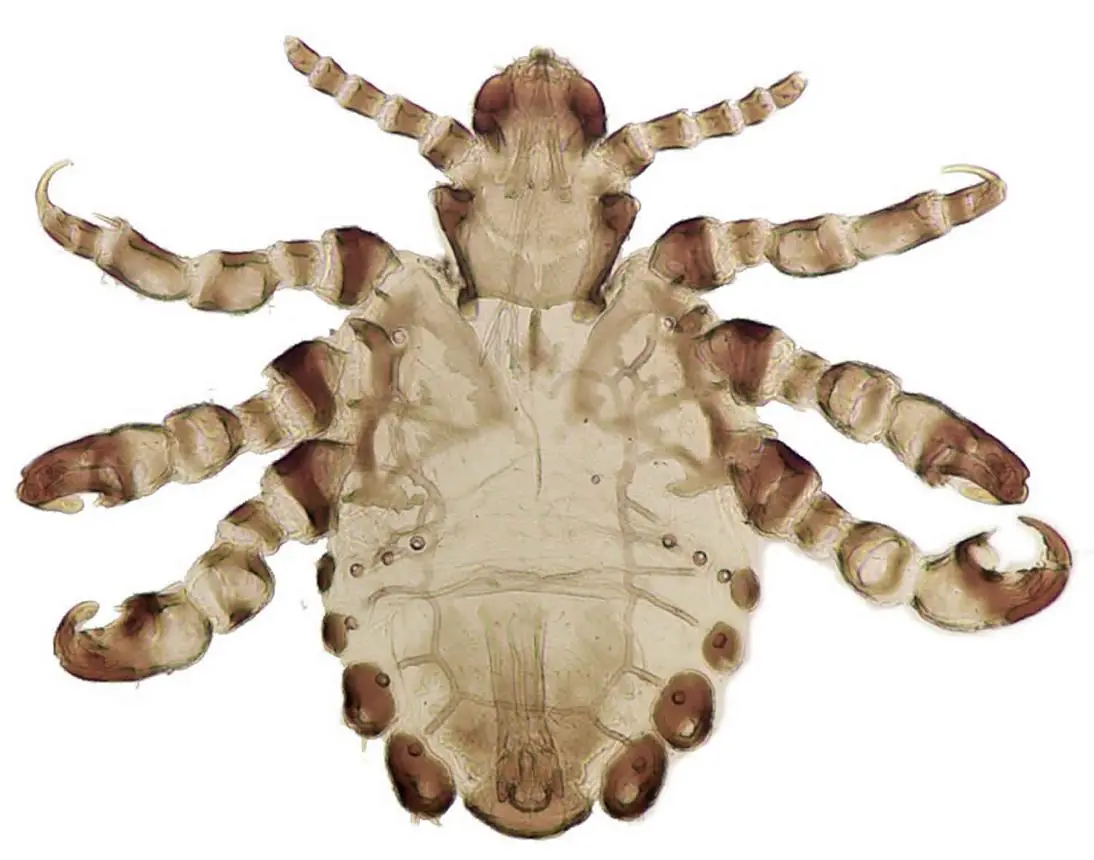
The image accompanying this topic depicts insects attached to body hair. It is important to distinguish the visual from a confirmed diagnosis: a photograph alone cannot establish whether a person has pubic lice or another skin condition. However, the subject provides an opportunity to understand a real and treatable parasitic infestation.
Pubic lice, sometimes called crab lice, are tiny insects that live on coarse human body hair and feed on small amounts of blood. They most commonly affect hair around the genital area, but they can sometimes be found in other coarse-haired regions, including the armpits, chest, beard, eyebrows, or eyelashes.
Unlike head lice, pubic lice are usually associated with close physical contact. They can spread during sexual contact, when lice move from one person’s body hair to another person’s hair. Their presence does not indicate that someone is unclean, and anyone can become infested after exposure.
Intimate contact is a common route of transmission, but it is not the only consideration. In some circumstances, lice may spread through recently used clothing, towels, or bedding. This is considered less common than direct contact because pubic lice do not survive for long away from the human body.
Pubic lice are different from the lice that typically infest the scalp. They also differ from fleas, ticks, and mites, which have different characteristics and treatment requirements. Correct identification matters because a treatment designed for one parasite may not be appropriate for another.
An infestation does not necessarily become noticeable immediately. Some people develop itching or irritation, while others have few obvious symptoms. Tiny lice or their eggs may be difficult to see without good lighting and close inspection.
The insects attach their eggs, commonly called nits, to individual hairs. These eggs may appear as small, pale or yellowish specks that remain firmly attached to the hair shaft. However, flakes of skin, dried skin products, and other debris can sometimes be mistaken for nits.
It is also important to understand what pubic lice do not mean. They do not automatically indicate infidelity, poor hygiene, or a particular person’s sexual history. An infestation cannot reliably establish when exposure occurred or identify the person from whom it originated.
If you suspect pubic lice, avoid relying exclusively on online photographs. A healthcare professional or qualified sexual-health service can examine the affected area and recommend suitable treatment. Accurate identification is the first step toward resolving the problem safely.
Most importantly, pubic lice are treatable. Although the idea of insects living in body hair can feel distressing, the condition is a recognized medical problem rather than a reason for embarrassment. Early assessment, appropriate treatment, and communication with relevant partners can help prevent continued transmission.
Chapter 2: The Symptoms You Should Recognize
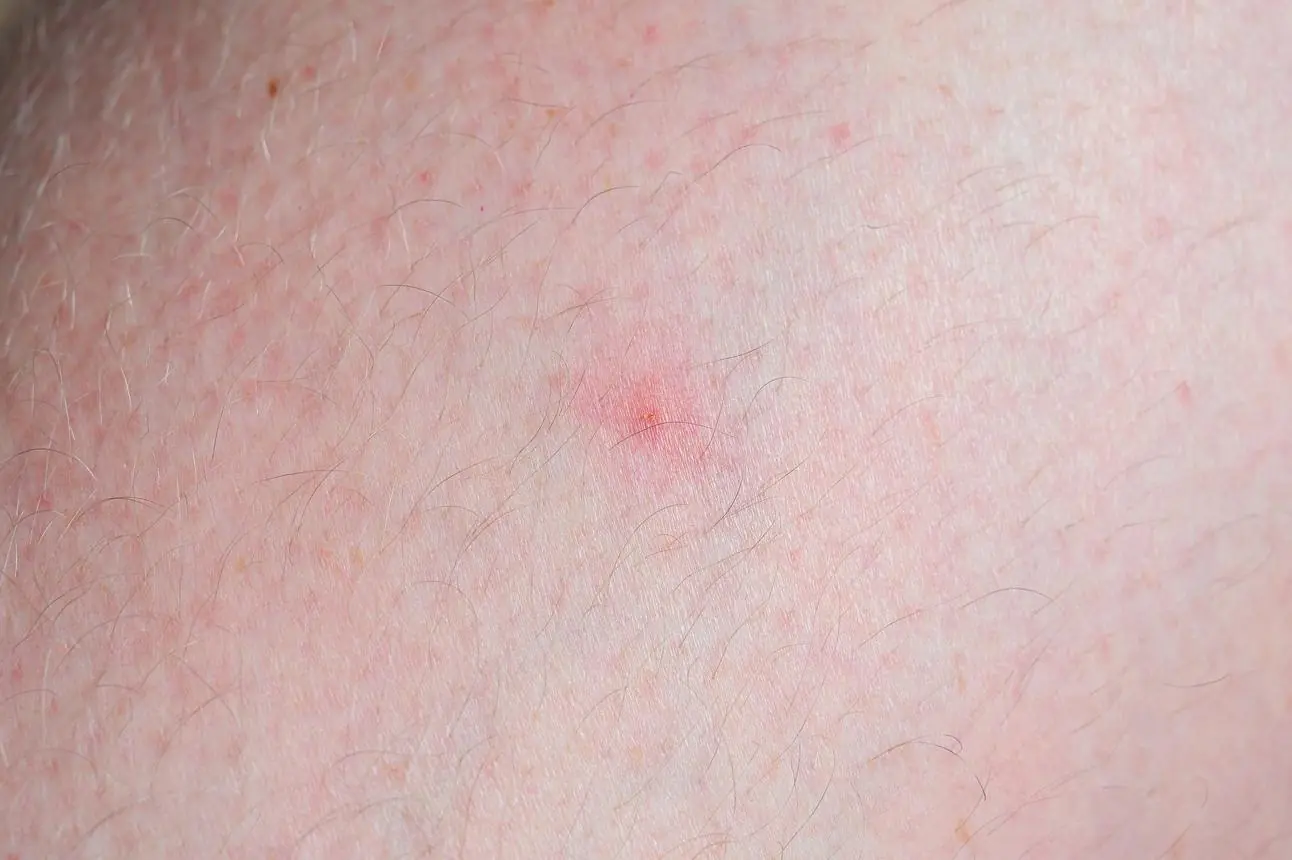
One of the most common symptoms of pubic lice is itching around the genital area. The itching may become more noticeable at night, although this pattern is not unique to lice and cannot confirm an infestation by itself.
The reaction occurs partly because the skin responds to lice bites and their saliva. Some people develop irritation quickly, while others may not notice symptoms for several weeks after the initial exposure. A person can therefore have pubic lice without immediately realizing it.
1. Persistent itching around body hair
Itching around the pubic region is a common complaint. It may become uncomfortable enough to disturb sleep or make everyday activities distracting. However, itching can also result from sweat, friction, eczema, fungal infections, allergies, or irritation from soaps and personal-care products.
Avoid scratching aggressively. Repeated scratching can damage the skin, increase irritation, and create openings through which bacteria may enter.
2. Small insects or eggs attached to hair
Adult pubic lice are tiny and may be difficult to identify without good lighting. Their eggs are attached firmly to hair shafts rather than simply resting loosely on the skin. Finding a suspected insect or egg can raise concern, but a trained professional can help distinguish lice from ordinary debris or other conditions.
3. Small marks on the skin
Some people develop tiny bluish or reddish marks around affected areas. These can sometimes occur in association with bites, but they are not a dependable sign of pubic lice. Similar marks may arise from irritation, bruising, or other skin conditions.
4. Skin irritation from scratching
Repeated rubbing or scratching can leave the skin red, sore, or inflamed. In more severe cases, damaged skin can develop a secondary bacterial infection. Increasing pain, warmth, swelling, pus, or spreading redness should prompt medical evaluation.
5. Irritation in other hair-bearing areas
Pubic lice can occasionally affect the armpits, chest, beard, eyebrows, or eyelashes. Eyelash involvement deserves particular care because products intended for the pubic region should not be applied near the eyes.
If lice or eggs appear to be attached to eyelashes, consult a healthcare professional for appropriate treatment. Do not use ordinary lice products around the eyes unless a clinician specifically confirms that the product is suitable.
When should you seek medical advice?
Consider professional assessment if you notice persistent itching after intimate contact, suspect that insects are attached to body hair, or have symptoms that do not improve with appropriate treatment. Medical advice is particularly important if the diagnosis is uncertain, the skin appears infected, or symptoms affect the eyes.
It is also worth remembering that itching alone does not mean a person has contracted a sexually transmitted infection. Pubic lice are parasites, while other infections have different causes and may require different tests and treatments.
A clinician may inspect the affected hair and skin, sometimes using magnification to identify the insects. If pubic lice are confirmed, the recommended treatment will depend on the location of the infestation, the person’s age, pregnancy status where relevant, and any other medical considerations.
Avoid applying household insecticides, disinfectants, alcohol, or unapproved chemicals to the skin. Such substances can cause burns or serious irritation without reliably eliminating the infestation.
The goal is not to diagnose yourself from a frightening image. It is to recognize a possible problem, obtain accurate advice, and use a treatment that is both effective and safe.
Chapter 3: How Pubic Lice Are Diagnosed and Treated
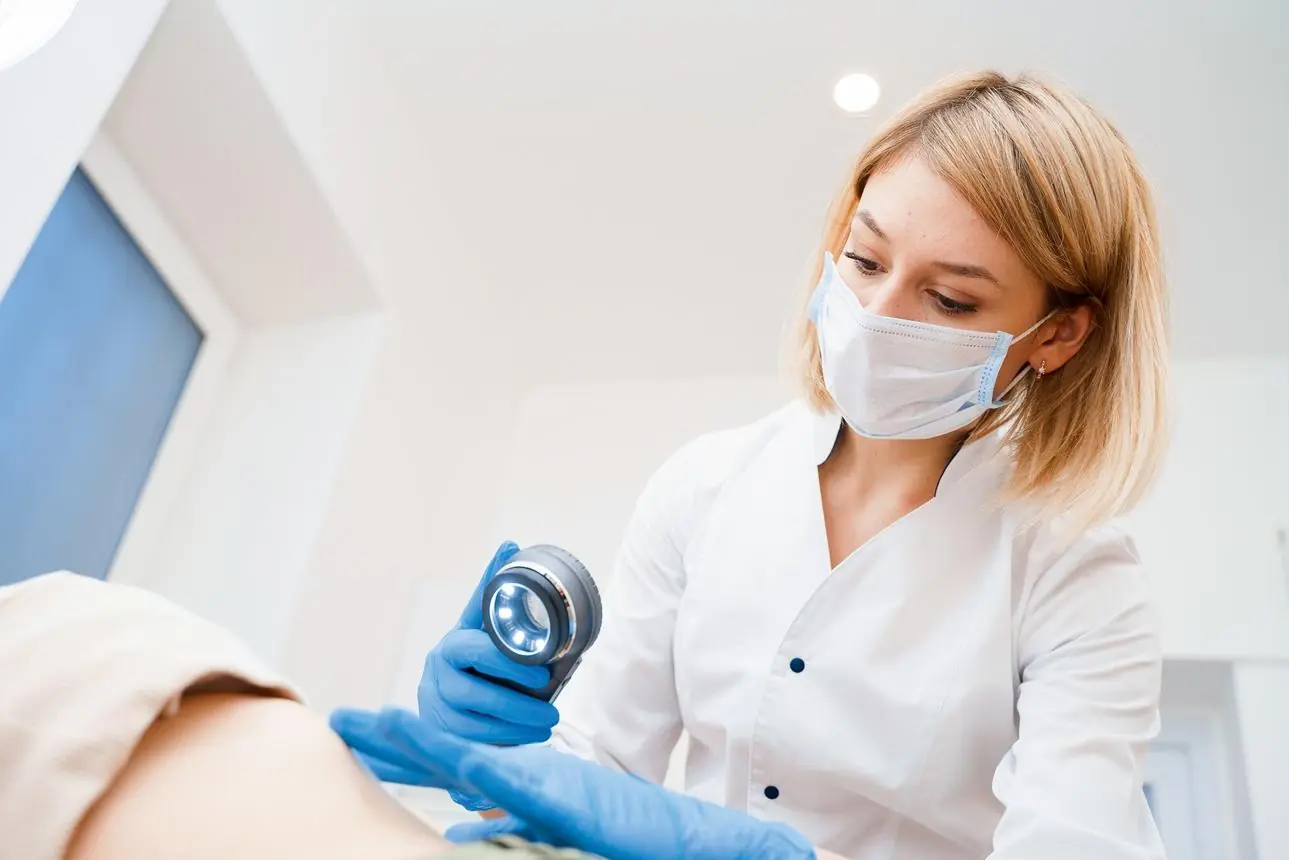
Although pubic lice can cause significant discomfort, they are usually manageable with appropriate treatment. The first step is to establish that lice are actually present, because several other conditions can cause itching in the same area.
A healthcare professional may examine the affected hair and skin for live lice or firmly attached eggs. Good lighting and magnification can make identification easier. If the symptoms are unclear, the clinician may consider other explanations, including dermatitis, scabies, fungal infections, or irritation caused by personal-care products.
Once pubic lice are identified, treatment commonly involves a medicine designed to kill lice. Certain over-the-counter preparations containing permethrin or other approved ingredients may be suitable, depending on local guidance and the individual’s circumstances. A pharmacist or healthcare professional can advise which product is appropriate and explain how to use it.
Follow the product instructions carefully. Different treatments have different application times, restrictions, and repeat-treatment recommendations. Applying more product than directed does not necessarily improve results and can increase the risk of skin irritation.
Some treatments may need to be repeated after a specified interval because eggs can survive the first application. Do not assume that one treatment is always sufficient, and do not repeatedly apply medication without checking the instructions or obtaining professional advice.
If lice affect the eyelashes, do not use standard pubic-louse treatments near the eyes. An eye-care professional can recommend a safe approach. Children, pregnant people, breastfeeding individuals, and people with sensitive or damaged skin should obtain tailored advice before selecting a treatment.
What about clothing, towels, and bedding?
Recently used clothing, towels, and bedding may need attention during treatment. Items used close to the time of infestation can generally be washed and dried using the hottest temperature appropriate for the fabric. Items that cannot be washed may be handled according to healthcare guidance, including temporary isolation when appropriate.
There is usually no need to disinfect an entire home or use household pesticides on furniture. Pubic lice generally depend on a human host and survive poorly away from the body. Excessive cleaning or spraying can create additional risks without providing meaningful benefits.
Should sexual partners be informed?
Yes, recent sexual partners should be informed if pubic lice are diagnosed so they can seek advice and treatment if needed. Partner management helps reduce the chance of passing the infestation back and forth.
People should generally avoid sexual contact until treatment has been completed and the relevant guidance has been followed. A healthcare professional can advise when it is appropriate to resume intimate contact.
It is also sensible to avoid sharing recently used towels or clothing until the situation has been addressed. These measures are practical precautions, not evidence that someone has done anything wrong.
What if itching continues?
Itching can persist for a short time after successful treatment because the skin may remain irritated. However, persistent symptoms can also indicate incorrect identification, improper application, reinfestation, or treatment failure.
If live lice remain after treatment, seek advice before repeating medication or switching products. Some preparations are unsuitable for repeated use, and continuing symptoms may have another cause entirely.
Finally, a diagnosis of pubic lice does not automatically mean that someone has another sexually transmitted infection. Nevertheless, because transmission can occur during sexual contact, a healthcare professional may discuss whether testing for other infections is appropriate based on the person’s exposure and circumstances.
Accurate diagnosis, correct medication use, and clear communication are more effective than panic or excessive cleaning. With the right approach, most infestations can be managed successfully.
Chapter 4: Prevention, Intimate Contact, and Common Misconceptions
Pubic lice are often surrounded by embarrassment and misinformation. Understanding how they spread makes it easier to take sensible precautions without blaming yourself or another person.
Misconception 1: Pubic lice only affect people with poor hygiene.
This is false. Pubic lice attach to hair and feed on blood; ordinary bathing does not reliably prevent or eliminate them. People with excellent personal hygiene can still become infested following close contact with someone who has lice.
Washing more frequently, using strongly scented soaps, or scrubbing the skin aggressively will not reliably eliminate an infestation. In fact, harsh products can irritate sensitive skin and make itching worse.
Misconception 2: Having pubic lice proves that someone has been unfaithful.
An infestation cannot establish when exposure happened or identify who transmitted the lice. Although sexual contact is a common route, the diagnosis alone does not reveal a person’s relationship history.
If the discovery creates concerns within a relationship, it is better to discuss the medical facts calmly rather than treating the diagnosis as proof of misconduct.
Misconception 3: Pubic lice always transmit other infections.
Pubic lice are parasites, not a diagnosis of another sexually transmitted infection. However, clinicians may recommend testing for other infections when a person’s sexual history or symptoms indicate that testing would be appropriate.
Misconception 4: Ordinary washing will solve the problem.
Bathing and changing clothes can support personal hygiene, but they do not reliably eradicate lice attached to body hair. A suitable lice treatment is usually needed when an infestation is confirmed.
Practical ways to reduce transmission
The most useful precautions focus on identifying and treating an infestation, informing relevant partners, and following the treatment instructions.
- Seek medical or pharmacy advice if you suspect pubic lice.
- Use only a treatment that is appropriate for the affected area and your circumstances.
- Inform recent sexual partners if an infestation is diagnosed so they can obtain appropriate advice.
- Follow recommendations about avoiding intimate contact until treatment is complete.
- Wash recently used clothing, towels, and bedding as directed by healthcare guidance.
- Avoid sharing recently used personal items while the infestation is being addressed.
- Do not use household insecticides or unapproved chemicals on the body.
Condoms reduce the risk of many sexually transmitted infections, but they do not reliably prevent pubic lice because lice can live on hair-covered skin outside the area protected by a condom.
There is no need to shave all body hair to treat pubic lice. Shaving does not reliably eliminate every louse or egg, and it may cause cuts, irritation, or ingrown hairs. Use the recommended treatment instead.
Pets are not the source of human pubic lice. These lice are adapted to humans, so treating a pet is not an appropriate way to manage a human infestation.
Prevention also includes seeking advice when symptoms are unusual. Not every itchy rash after intimate contact is caused by lice. Allergic reactions, skin conditions, and other infections can look similar, so the correct diagnosis matters.
The broader message is that intimate health problems should be approached with practical care rather than shame. Prompt treatment, partner communication, and accurate information can help resolve the issue and reduce the chance of recurrence.
Chapter 5: Looking After Your Intimate Health Without Fear

Discovering a possible parasite on the body can be distressing. People may feel embarrassed, anxious about intimate contact, or worried about what a diagnosis could mean for their relationships. These reactions are understandable, but pubic lice are a common and treatable medical problem.
The first priority is to confirm what is happening. Images shared online may exaggerate the appearance of an infestation or show a close-up that does not represent a typical case. A photograph cannot determine whether an individual has pubic lice, how long they have been present, or how they were acquired.
If you notice persistent itching or suspect lice, seek advice from a qualified healthcare professional or pharmacist. They can help identify the cause and recommend suitable treatment. This is especially important when symptoms affect the eyelashes, when the skin appears infected, or when the person affected is a child or has other medical considerations.
Avoid experimenting with harsh substances or using medicines intended for animals. Products designed for a different purpose may damage human skin, and treatments that are appropriate for one body area may be unsafe for another.
It is also important to monitor the response to treatment. Follow the instructions for the recommended product and seek further advice if live lice remain or symptoms continue. Persistent itching does not always mean the treatment has failed, but it should not be ignored when the cause is uncertain.
If pubic lice are confirmed, communicating with recent sexual partners is an important part of responsible care. A calm, factual conversation can help everyone obtain advice and prevent reinfestation. The diagnosis should not be used to make assumptions about fidelity, hygiene, or personal character.
People may also benefit from discussing broader sexual-health concerns with a clinician. Depending on their circumstances, this may include screening for other sexually transmitted infections, advice about safer sex, or support with anxiety related to an unexpected diagnosis.
The most important facts to remember
Pubic lice can spread through close physical contact, especially sexual contact. They can cause itching and irritation, but some people have few symptoms. Their presence does not automatically indicate another infection, poor hygiene, or infidelity.
Diagnosis depends on identifying the parasite rather than interpreting a dramatic image or relying on itching alone. Treatment is available, and following professional guidance can help resolve the infestation. Recent partners may also need assessment, and clothing or bedding used recently may require appropriate washing.
Finally, intimate health should never be a source of humiliation. Seeking medical advice is a responsible step, not something to hide. With accurate information, suitable treatment, and clear communication, pubic lice can usually be managed effectively.
The real lesson behind the alarming image is not that sleeping with someone inevitably leads to a frightening outcome. It is that close contact can sometimes transmit a treatable parasite—and knowing how to recognize, diagnose, and manage it makes all the difference.
An alarming image of tiny insects attached to body hair raises questions about what can happen after intimate contact. Pubic lice are small parasites that usually spread through close physical contact, including sexual contact. This article explains how infestation occurs, which symptoms to recognize, how diagnosis and treatment work, and how to protect yourself and your partners without shame or misinformation.

12 Signs a Woman Is Enjoying Intimacy And Feels Happy

The search for Raisa ends, after 2 months she was found all…
Shower While My Husband Was Home
About The Author
