
🚨😳 If your tongue is white, this is a clear sign that you are suffering from…see more ♪ If Your Tongue Is White, This Could Be W
If Your Tongue Is White, This Could Be What Your Body Is Telling You: 7 Possible Causes You Should Know
You look in the mirror one morning, stick out your tongue, and notice something unusual: instead of its familiar pink color, the surface appears covered by a white coating. Perhaps it looks slightly fuzzy. Maybe there are thick patches that do not disappear when you brush your teeth. Or perhaps the change has been there for days, and you are beginning to wonder whether it means something is wrong with your health.
It is easy to dismiss a white tongue as a minor hygiene problem. In many cases, that is exactly what it is. A temporary coating can develop when bacteria, food debris, and dead cells collect between the tiny bumps on the tongue. Dry mouth, dehydration, smoking, and inadequate oral cleaning can all make this buildup more noticeable.
But there is another side to the story.
Certain infections and oral conditions can also produce white patches or changes in the tongue’s appearance. Some are easily treated, while others need a professional examination because they can persist, cause discomfort, or occasionally indicate a more serious problem.
The important point is that a white tongue is not a diagnosis by itself. Its appearance, texture, duration, associated symptoms, and the person’s medical history all matter. Understanding those differences can help you decide whether better daily care may be enough—or whether it is time to speak with a dentist or doctor.
The seven possible causes below explain what may be happening, what clues to look for, and when a change in the mouth deserves attention.
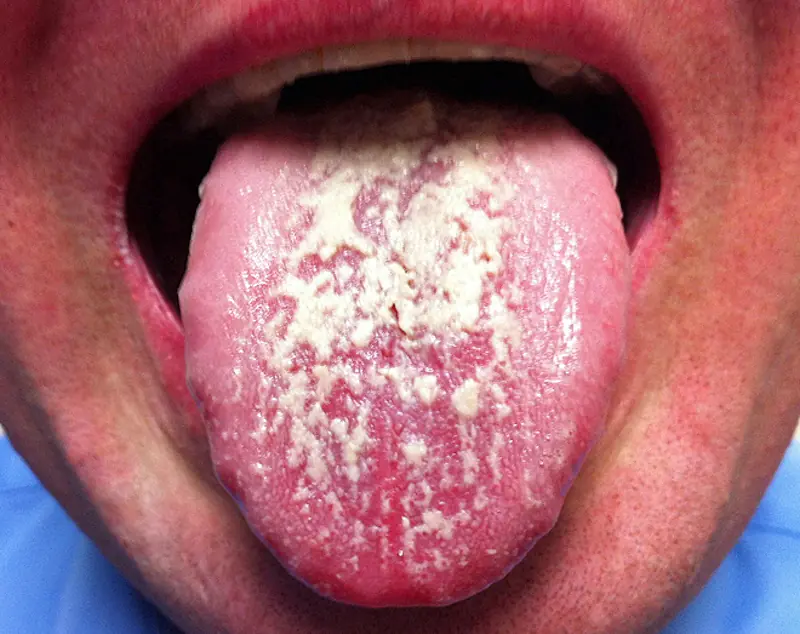
Why Does the Tongue Sometimes Turn White?
A healthy tongue is usually pink, although its exact shade varies from person to person. Its upper surface is not smooth. It contains numerous small projections called papillae, which help with taste and contribute to the tongue’s texture.
Between these tiny structures, small amounts of food debris, microorganisms, and shed cells can collect. Saliva normally helps wash much of this material away. When the mouth becomes dry or the normal balance of microorganisms changes, the coating can become more visible.
This is why a white tongue is sometimes most noticeable after waking up. Saliva production generally decreases during sleep, allowing material to accumulate on the tongue’s surface overnight. A thin coating that improves after drinking water, brushing, or gently cleaning the tongue is often less concerning than a persistent, thick, or irregular patch.
However, not every white appearance is the same. A general coating across much of the tongue is different from a sharply defined patch. A creamy layer that wipes away and leaves a tender surface is different from a firm white area that remains attached. These distinctions can help a healthcare professional narrow down the possibilities.
The following conditions are among the explanations worth knowing.
1. Oral Thrush: When Yeast Grows Too Much in the Mouth
One possible cause of white patches is oral thrush, also known as oral candidiasis. It is a fungal infection associated with an overgrowth of Candida, a type of yeast that can normally live in the mouth without causing problems.
Under certain circumstances, the balance of microorganisms changes and Candida multiplies. This can lead to creamy, white patches on the tongue and sometimes on the inner cheeks, gums, roof of the mouth, or throat.
The patches may resemble small areas of milk curd or a thick white coating. They can sometimes be wiped away, revealing a red, irritated surface underneath. Some people experience soreness, a cotton-like feeling in the mouth, altered taste, or discomfort while eating and swallowing.
Oral thrush is more likely in certain situations. People who have recently taken antibiotics may be at greater risk because these medicines can reduce some of the bacteria that normally help keep yeast growth under control. Inhaled corticosteroids used for asthma and other respiratory conditions can also increase the risk, particularly when a person does not rinse their mouth after using the inhaler.
Other risk factors include dentures, dry mouth, diabetes that is not well controlled, cancer treatment, and conditions or medicines that weaken the immune system.
This does not mean that everyone with a white tongue has a fungal infection. A simple coating caused by dryness or debris can look similar. A dentist or doctor may need to examine the mouth to determine whether thrush is present.
When oral thrush is confirmed, treatment usually involves an antifungal medicine. The specific medication and duration depend on the person’s age, health, severity of symptoms, and other medicines they may be taking. It is not a good idea to use leftover antifungal medication or assume that every white patch should be treated as thrush.
People who wear dentures should also discuss proper cleaning and fit with their dental professional. Dentures that are not cleaned adequately or that irritate the mouth can contribute to recurring problems.
A particularly important point is that persistent or painful oral thrush in an adult may deserve a broader health review, especially if there are other symptoms or known immune-system concerns. The infection itself is treatable, but a clinician may want to identify why it developed.
2. Dehydration and Dry Mouth: When There Is Not Enough Saliva
A white coating can sometimes appear simply because the mouth is too dry.
Saliva does much more than help people chew and swallow. It also washes food particles away, helps control the number of microorganisms in the mouth, protects oral tissues, and keeps the tongue comfortable. When saliva production falls, debris can collect more easily between the papillae, making the surface look pale or coated.
Dehydration is one possible reason. It may occur after a day of sweating, exercise, fever, vomiting, diarrhea, or simply not drinking enough fluids. Some people notice a dry or sticky feeling in the mouth, thirst, darker urine, or a dry sensation on the tongue and lips.
However, dehydration is not the only explanation for dry mouth. Certain medicines can reduce saliva production, including some treatments for allergies, depression, anxiety, high blood pressure, and other conditions. People who breathe through their mouths, especially during sleep, may also wake up with a dry tongue and unpleasant breath.
The coating associated with dry mouth is often more widespread than a single isolated patch. It may improve after drinking water and restoring normal moisture, although the improvement is not always immediate.
Older adults can be particularly affected because they may take several medicines that contribute to dryness. Some may also have difficulty recognizing thirst or drinking regularly throughout the day. A dry mouth can make eating, speaking, and swallowing uncomfortable, so it should not automatically be dismissed as a normal part of aging.
What can help?
Drinking water regularly throughout the day is a sensible first step for most people. If the mouth becomes dry at night, keeping water nearby may be useful. Sugar-free gum or lozenges can stimulate saliva in some people, provided they can chew and swallow safely.
It is also worth reviewing medicines with a healthcare professional if dryness is persistent. Do not stop a prescribed medicine on your own. A doctor or pharmacist can determine whether a medicine may be contributing and whether an alternative or additional treatment is appropriate.
People with ongoing dry mouth may benefit from saliva substitutes or other products recommended by a dentist or doctor. Good hydration can help, but it cannot correct every underlying cause.
There is another reason not to ignore persistent dryness: saliva helps protect teeth. When the mouth remains dry for long periods, the risk of tooth decay, gum irritation, mouth infections, and difficulty wearing dentures may increase.
A white tongue accompanied by constant dryness, trouble swallowing dry foods, or repeated mouth infections deserves a professional assessment rather than endless attempts to clean the tongue more aggressively.
3. Poor Oral Hygiene: When Everyday Buildup Becomes Visible
Sometimes the explanation is much simpler.
The tongue has a textured surface, and its tiny papillae create spaces where food particles, bacteria, and shed cells can accumulate. If the tongue is not cleaned as part of regular oral care, this material may form a visible white coating.
The coating may be more noticeable toward the back of the tongue, where cleaning is often less thorough. It can also be associated with unpleasant breath or a bad taste in the mouth.
A person can brush their teeth regularly and still have buildup on the tongue. Teeth and tongue are different surfaces, and cleaning one does not automatically clean the other.
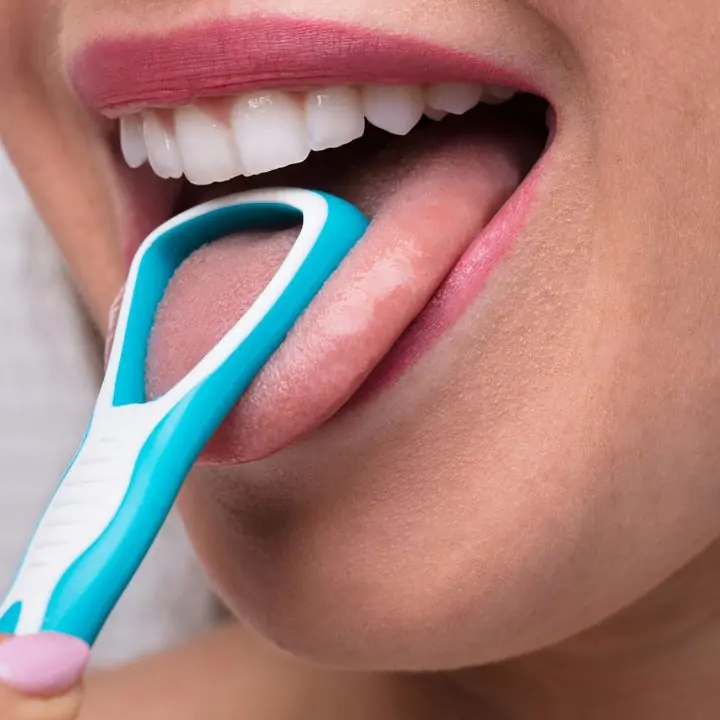
This is why many dentists recommend gently brushing the tongue or using a tongue scraper as part of a daily oral hygiene routine. The aim is to remove loose surface buildup—not to scrape away healthy tissue or force the tongue to look perfectly pink.
A soft toothbrush can be used with light pressure, moving from the back of the tongue toward the front as comfortably as possible. A tongue scraper is another option. It should be used gently, rinsed after use, and cleaned according to the manufacturer’s instructions.
If cleaning causes pain, bleeding, or irritation, stop and seek advice. Repeatedly scraping a stubborn white patch is not a safe way to find out what it is.
Other habits can contribute to buildup. Smoking and tobacco use can affect the mouth’s tissues and increase the risk of several oral conditions. Frequent alcohol consumption can contribute to dryness and irritation. A diet consisting mainly of soft foods may also be associated with changes in the way debris collects on the tongue.
Mouth breathing can make the problem more noticeable, particularly overnight. People with nasal congestion, allergies, or sleep-related breathing difficulties may wake up with a dry mouth and a coated tongue.
The useful clue is whether the coating improves with gentle cleaning and better hydration. A thin, removable film that gradually clears is different from a thick patch that remains fixed in place.
Even if poor oral hygiene seems likely, a persistent change should not be assumed to have that cause. A dentist can examine the tongue and the rest of the mouth to distinguish ordinary buildup from conditions that need specific treatment.
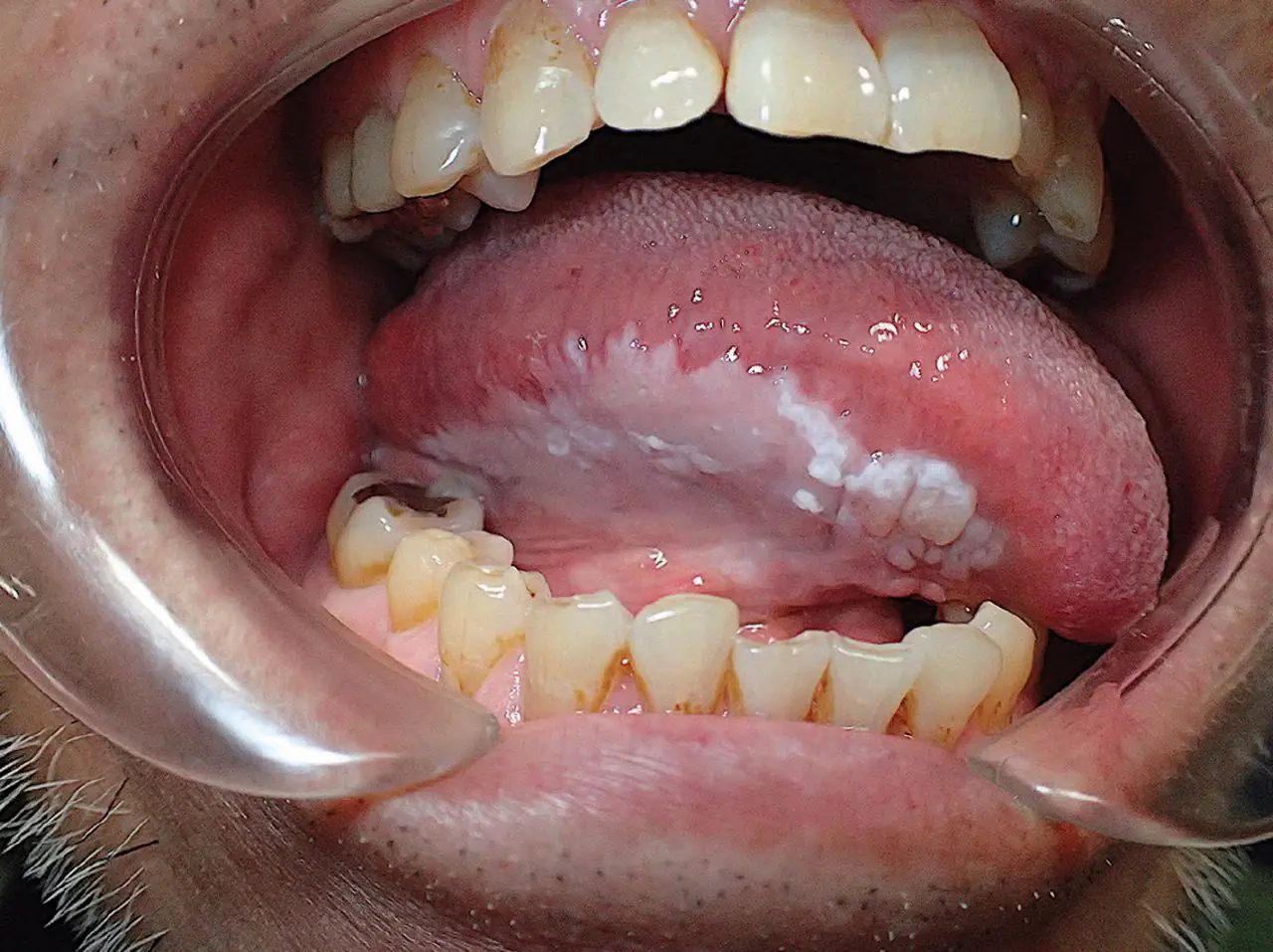
4. Leukoplakia: White Patches That Should Not Be Scraped Away
Leukoplakia is one of the reasons a persistent white patch deserves attention.
The condition causes white or grayish areas to develop on the mucous membranes inside the mouth. They may appear on the tongue, gums, inner cheeks, or floor of the mouth. Some patches are flat and smooth, while others may be thick, irregular, slightly raised, or mixed with red areas.
A key difference is that leukoplakia patches generally cannot be rubbed or scraped away.
That distinction does not establish a diagnosis, but it is an important reason not to treat every white area as ordinary coating or oral thrush.
Leukoplakia is often associated with long-term irritation. Tobacco use, including smoking and chewing tobacco, is a major risk factor. Heavy alcohol use may also contribute, particularly when combined with tobacco. Poorly fitting dental appliances, rough teeth, or repeated irritation may be relevant in some cases, although a clinician needs to assess the individual situation.
Most leukoplakia patches are not cancer. Nevertheless, some can contain abnormal cellular changes, and a small proportion may develop into oral cancer. The risk varies depending on the appearance, location, and microscopic features of the patch.
This is why a white patch that does not go away should be examined by a dentist or doctor. A professional may inspect the area, ask about tobacco and alcohol use, check for sources of irritation, and decide whether referral to a specialist is necessary.
In some cases, a biopsy is recommended. This involves taking a small sample of tissue so it can be examined under a microscope. A biopsy helps determine whether there are abnormal cells that require closer monitoring or treatment.
People sometimes delay seeking help because a white patch does not hurt. But the absence of pain does not prove that it is harmless. Leukoplakia is often painless, which means a person may not notice it unless they look inside their mouth.
If you notice a persistent white patch, particularly one that is thick, irregular, mixed with red areas, or located along the side or underside of the tongue, arrange an examination. Do not attempt to remove it with sharp objects, harsh chemicals, or repeated scraping.
Stopping tobacco use is an important step for people who smoke or chew tobacco. Reducing alcohol consumption may also be advised. However, lifestyle changes should not replace an examination of an existing patch.
The main lesson is simple: a white patch that stays in one place and cannot be wiped away needs professional attention. It may not be dangerous, but it should not be ignored.
5. Geographic Tongue: A Changing Pattern That Can Look Alarming
Geographic tongue is a benign condition that can make the tongue look unusual.
Instead of a uniform pink surface, the tongue develops smooth, red areas where some of the normal papillae are absent. These areas may have pale or white borders, creating patterns that resemble the outlines of countries on a map. That changing appearance is the reason for the name.
The patches can move, disappear, and reappear in different places over time. A person may notice one pattern in the morning and a different pattern several days later.
Although the appearance can be surprising, geographic tongue is generally harmless and is not considered an infection. It does not mean that someone has poor hygiene, and it is not itself a sign of cancer.
Some people have no discomfort at all. Others experience sensitivity, burning, or irritation when eating spicy, acidic, salty, or very hot foods. The symptoms may come and go.
The exact cause is not fully understood. Geographic tongue has been associated with certain inflammatory and skin conditions, and it may occur more often in people with a family history of the condition. However, these associations do not mean that everyone with geographic tongue has another illness.
A dentist or doctor can often recognize the characteristic pattern during an examination. If the appearance is unusual or does not fit the typical pattern, further assessment may be needed to rule out other conditions.
Most people do not need specific treatment. If the tongue is sensitive, avoiding foods and drinks that trigger discomfort may help. A healthcare professional may recommend a suitable treatment for persistent symptoms.
It is important not to confuse geographic tongue with leukoplakia. Geographic tongue typically produces smooth red areas with changing pale borders, while leukoplakia produces white patches that remain in place and cannot usually be wiped away.
If you have a new or persistent change in your tongue, a professional examination is the safest way to distinguish between them.
6. Oral Lichen Planus: A Long-Lasting Inflammatory Condition
Oral lichen planus is an inflammatory condition that affects the lining of the mouth. It can produce white, lace-like lines or patches, often on the inner cheeks, gums, and tongue.
The white pattern may resemble fine branches or a delicate network. Some people have no pain, while others experience burning, soreness, or sensitivity when eating.
In some cases, oral lichen planus also causes red, inflamed areas or painful sores. When the gums are affected, brushing may become uncomfortable. When the tongue is involved, spicy and acidic foods may trigger irritation.
The exact cause is not fully understood. The condition is thought to involve an abnormal immune response in which the body’s defense system reacts against cells in the lining of the mouth. It is not simply caused by poor oral hygiene, and it is not an infection that can be passed from one person to another.
The appearance can overlap with other oral conditions, so a clinician should make the diagnosis. A dentist or oral medicine specialist may examine the mouth and, in some cases, recommend a biopsy to confirm the nature of the tissue changes.
Treatment depends on the symptoms and severity. People with mild, symptom-free changes may need monitoring rather than medication. When inflammation causes pain or sores, a clinician may prescribe topical treatments, including corticosteroid preparations, to reduce inflammation.
Good oral care remains important, but people with oral lichen planus should avoid aggressive brushing or harsh products that worsen irritation. Tobacco and alcohol can also irritate the mouth and are best avoided or reduced.
Because oral lichen planus can be a long-term condition, follow-up appointments may be recommended. A professional can monitor changes, address discomfort, and assess any area that becomes persistent, ulcerated, or different from the surrounding tissue.
A white, lace-like pattern does not automatically mean lichen planus. Nor does it mean that a person has an immune-system disease affecting the entire body. The diagnosis depends on the examination and, where appropriate, further testing.
The important point is that recurring white patterns accompanied by soreness or inflammation deserve attention, especially when they do not settle.
7. Syphilis: An Infection That Can Affect the Mouth
Syphilis is a bacterial infection caused by Treponema pallidum. It is usually transmitted through sexual contact, including contact with infectious sores. If it is not diagnosed and treated, it can progress through different stages and affect several parts of the body.
The mouth can be involved. During certain stages, syphilis may cause sores, mucous patches, or other changes inside the mouth. These may appear on the tongue, lips, or other oral surfaces.
However, a white tongue alone is not a reliable sign of syphilis. Many much more common conditions can produce a white coating, and the appearance of an oral lesion cannot confirm this infection.
Other symptoms may include sores that are often painless during the early stage, swollen lymph nodes, a rash that can involve the palms of the hands and soles of the feet during the secondary stage, fever, sore throat, and general fatigue. Symptoms can vary, and some people may not notice them.
Syphilis requires medical diagnosis and treatment with antibiotics. Testing generally involves blood tests, and a clinician may recommend additional assessment depending on the symptoms and stage of infection.
People who believe they may have been exposed should seek confidential medical advice and testing rather than trying to diagnose themselves by examining their tongue. Sexual partners may also need testing and treatment to prevent further transmission.
When diagnosed early, syphilis is treatable. However, delaying treatment can allow the infection to progress and potentially cause serious complications.
The reason to include syphilis among possible causes is not to suggest that a white tongue is evidence of a sexually transmitted infection. It is to explain that certain infections can affect the mouth and that persistent or unusual oral symptoms should be evaluated in context.
Other Factors That Can Change the Appearance of Your Tongue
The seven conditions above are not the only explanations for a white tongue. Several everyday factors can change the color, texture, or moisture of the mouth.
Smoking and tobacco use can irritate the oral tissues and contribute to changes in the tongue’s surface. Tobacco also increases the risk of leukoplakia and oral cancer. People who smoke may notice persistent coating, unpleasant breath, or changes in taste. Quitting can improve oral health, although an existing white patch should still be checked rather than assumed to disappear on its own.
Fever and illness can also affect the mouth. People who are unwell may drink less, breathe through their mouths, or become dehydrated. These changes can make the tongue look coated. The coating may improve as the underlying illness resolves and normal hydration returns.
Mouth breathing is another common contributor. A blocked nose, allergies, or sleeping with the mouth open can dry the tongue overnight. If the problem happens regularly, it may be useful to discuss nasal congestion, snoring, or sleep-related breathing symptoms with a healthcare professional.
Irritation from teeth or dental appliances can cause localized changes. A rough tooth, broken filling, or poorly fitting denture may repeatedly rub against the tongue or cheek. If a patch appears exactly where something is rubbing, a dentist can check whether the source of irritation needs to be corrected.
These factors are worth considering, but they should not become reasons to dismiss a persistent lesion. A person may smoke and still develop a white patch that needs a separate examination. Someone may have dry mouth and an unrelated infection at the same time. More than one factor can contribute to what appears in the mirror.
How to Tell the Difference Between a Temporary Coating and a Patch That Needs Attention
One of the most useful questions is whether the white area covers much of the tongue or appears as a distinct patch.
A temporary coating often affects a broad area, especially the upper surface. It may be more noticeable after waking, when the mouth is dry, or after a period of poor oral hygiene. Gentle cleaning and drinking water may reduce it.
A distinct patch may look different. It can be sharply outlined, thickened, raised, irregular, or located in one particular area. It may remain in the same place even after brushing. Some patches are painless, while others cause burning or soreness.
It can be tempting to test a white patch by scraping it firmly. This is not recommended. Excessive scraping can injure the surface and cause bleeding, while the fact that a patch changes when rubbed does not provide a reliable diagnosis. If a patch does not come away with gentle cleaning, leave it alone and arrange an examination.
A few practical observations may help you explain the problem to a dentist:
- When did you first notice the change?
- Does the white area cover the whole tongue or only one section?
- Does it disappear or become lighter after gentle brushing?
- Is there pain, burning, bleeding, or a bad taste?
- Are there similar patches on the cheeks, gums, or roof of the mouth?
- Have you recently taken antibiotics or started a new medication?
- Do you smoke, use chewing tobacco, or wear dentures?
- Have you been experiencing dry mouth, fever, or difficulty swallowing?
These details do not replace a medical examination. They simply help a professional understand what has changed and what possible causes should be considered.
A photograph taken in ordinary lighting may also help you remember how the area looked when you first noticed it. However, photographs cannot reliably distinguish conditions such as thrush, leukoplakia, and lichen planus.
When Should You See a Dentist or Doctor?
A white tongue that improves quickly with gentle cleaning and hydration is often less concerning. But there are situations in which waiting is not a good idea.
Arrange a dental or medical appointment if:
- A white patch remains in the same place and does not go away.
- The coating or patch persists for more than a couple of weeks.
- You experience ongoing pain, burning, or tenderness.
- The area becomes thick, raised, irregular, or develops red sections.
- You notice sores, bleeding, lumps, or swelling.
- You have repeated episodes of suspected oral thrush.
- You have a weakened immune system or a medical condition that increases the risk of infection.
- Eating, speaking, or swallowing becomes uncomfortable.
A persistent white patch should be assessed even if it does not hurt. Leukoplakia and some other oral conditions may be painless, so waiting for pain to develop is not a reliable way to judge whether an examination is necessary.
Seek prompt medical attention if you have difficulty swallowing, significant swelling, or worsening symptoms. If you cannot swallow fluids or have difficulty breathing, seek emergency care.
A dentist will usually begin by examining the tongue, gums, cheeks, and other parts of the mouth. They may ask about your health history, medicines, tobacco use, alcohol consumption, and how long the change has been present.
If an infection is suspected, treatment may be recommended or testing may be performed. If a persistent patch looks unusual, referral to an oral medicine specialist or a biopsy may be appropriate.
The purpose of an examination is not to assume the worst. It is to identify the cause accurately so that the right treatment—or the right monitoring plan—can be chosen.
What Can You Do at Home to Improve Tongue Health?
If the tongue has a general coating and there are no warning signs, simple daily habits may help.
Brush your teeth consistently. Brush twice a day with a soft-bristled toothbrush and fluoride toothpaste. Cleaning the teeth helps reduce the amount of plaque and debris in the mouth.
Clean the tongue gently. Use a soft toothbrush or a tongue scraper to remove loose buildup. Move gently from the back toward the front, and avoid pressing hard. Cleaning should not hurt or make the tongue bleed.
Drink water regularly. Adequate hydration supports normal saliva production. If you have been sweating, exercising, or unwell, you may need to pay extra attention to replacing lost fluids. People who have been told to restrict fluids because of a heart, kidney, or other medical condition should follow their clinician’s advice rather than increasing water intake without guidance.
Clean dentures carefully. Dentures should be cleaned as recommended by a dental professional. People who wear removable dentures may need to remove them at night, unless their dentist has given different instructions. Dentures that rub, cause sores, or no longer fit properly should be checked.

“Why do you care who’s in the cast?”: Whoopi Goldberg tore into Elliot Page’s critics over his gender identity

Right now, plane with more than 244 onboard just crash… See more 051

Young woman caught having s…See more
About The Author
